A Keto Grocery List for a Full Week
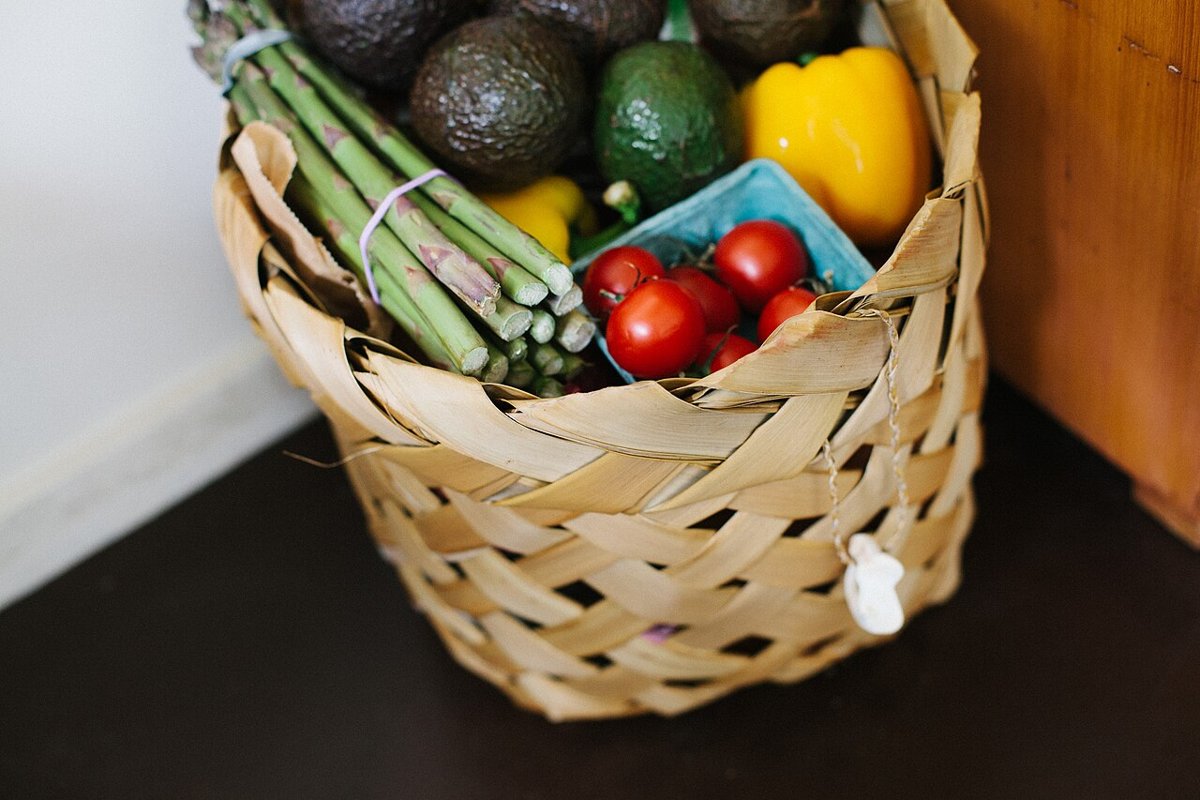
A keto plan is easiest to follow when the kitchen is already stocked with the right basics. Standing in a store aisle without a list is where most accidental carbohydrates sneak in. This list is organized by store section, with rough carbohydrate figures so you can see why each item earns its place. The numbers are approximate; look up exact values for the brands you buy in USDA FoodData Central.
Protein
Protein foods are the anchor of most meals, and nearly all of them contain almost no carbohydrate.
- Eggs: about 0.5 g each. Cheap, versatile and the base of many breakfasts.
- Chicken thighs and drumsticks: 0 g. Thighs stay moist and cost less than breast.
- Ground beef or turkey: 0 g. Choose a fattier blend if you are not using extra oil.
- Fatty fish such as salmon, sardines and mackerel: 0 g. Canned versions are affordable.
- Bacon and sausage: check the label, as processed and flavored products sometimes add sugar.
- Canned tuna: 0 g, though check the label for added broth or sauces.
Vegetables
Think leafy and above-ground. Roots and starchy vegetables are usually the first to go.
| Vegetable | Approx. net carbs per cup, cooked or raw |
|---|---|
| Spinach (raw) | under 1 g |
| Zucchini | about 3 g |
| Cauliflower | about 3 g |
| Broccoli | about 4 g |
| Green beans | about 4 g |
| Mushrooms | about 2 g |
| Bell pepper | about 4 g |
Avocado deserves its own mention. Half a medium avocado has around 2 g of net carbohydrate, plus fat and fiber.
Fats and oils
- Extra-virgin olive oil for dressings and low-heat cooking
- Butter or ghee
- Avocado oil for higher-heat cooking
- Coconut oil, if you like the flavor
- Mayonnaise made with oil and eggs, with no added sugar
Dairy
- Hard cheeses such as cheddar, parmesan and gouda
- Cream cheese and cream
- Plain full-fat Greek yogurt in small portions. A cup holds roughly 8 to 9 g of carbohydrate, which adds up fast.
- Unsweetened almond or coconut milk. Check the label for added sugar.
Nuts, seeds and pantry items
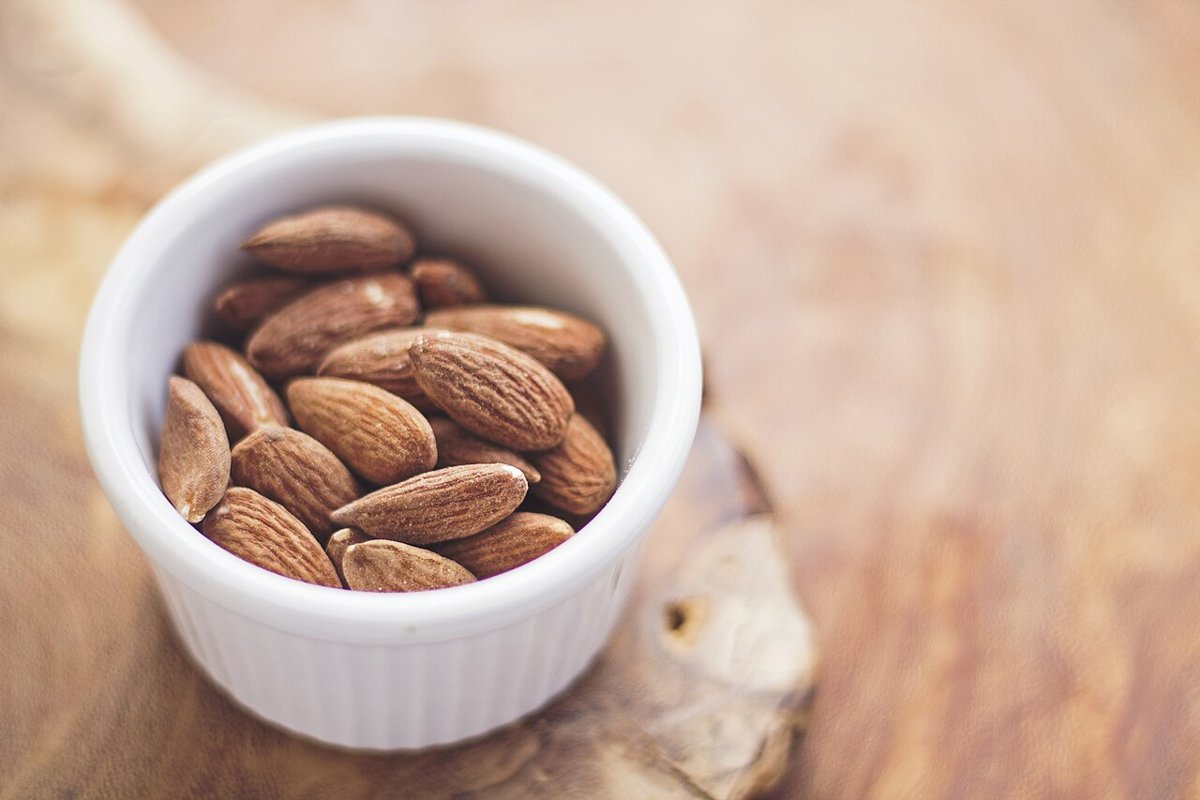
- Almonds, walnuts, pecans and macadamias, which are lower in carbohydrate than cashews or pistachios
- Chia and flax seeds, which add fiber
- Canned coconut milk with no added sweeteners
- Olives, pickles and capers
- Herbs, spices, mustard, vinegar and hot sauce
- Bone broth or stock without added sugar
Fruit, in small amounts
Most fruit is too high in sugar for a strict keto plan, but a handful of berries is a common exception. Raspberries have around 7 g net per cup and blackberries around 6 g. Strawberries come in near 8 g. Lemons and limes are used for flavor.
Drinks
Water, sparkling water, black coffee and unsweetened tea cover most needs. Check any flavored water, as some contain sweeteners with carbohydrates.
Foods that look keto-friendly but are not
Some products are marketed as low-carb or keto and still deserve a closer look. Sauces, salad dressings, flavored yogurts, protein bars and deli meats can all hide sugars or starches. Our guide to reading labels explains where the grams sit.
Sample one-week shopping logic
You do not need a different recipe for every day. A simple structure keeps the list short:
- Buy two proteins for the week, such as chicken thighs and ground beef, plus a dozen eggs.
- Pick three or four vegetables and rotate them.
- Choose one fat for cooking and one for dressings.
- Add one cheese, one nut and one snack you enjoy.
- Keep canned fish and frozen vegetables as a backup for busy days.
For breakfast ideas that use the list, see our keto breakfast page.
A simple batch-cooking routine
One cooking session can cover several days. Roast a tray of chicken thighs, boil six eggs, wash and chop two kinds of vegetables, and cook a pot of ground beef with herbs. Store everything in separate containers so meals can be assembled in minutes: a bowl of greens with chicken and olive oil one day, an egg and avocado plate the next. Cooked chicken and beef keep three to four days in a refrigerator, and most vegetables a little longer. Freeze extra portions in flat bags so they thaw quickly.
Keeping the cost down
Keto has a reputation for being expensive, and meat, fish and nuts do cost more than rice or pasta. A few habits help:
- Buy thighs and whole chickens instead of breast fillets.
- Use frozen vegetables and fish, which are picked and frozen at peak and keep for weeks.
- Buy nuts in bulk and store them in the fridge so they do not go rancid.
- Use eggs as the cheap protein several days a week.
- Cook larger batches and eat leftovers for lunch.
A note before you shop
If you take medication for diabetes or blood pressure, or if you have a kidney or liver condition, check with a doctor or registered dietitian before changing your diet. A shopping list is a tool, not a medical plan, and what you buy should fit what a professional has advised for you.
For the bigger picture, start with our plain-English guide to the keto diet, or read about eating keto while traveling when you are away from your own kitchen.