Eating Keto While Traveling: Airports, Restaurants and Hotels
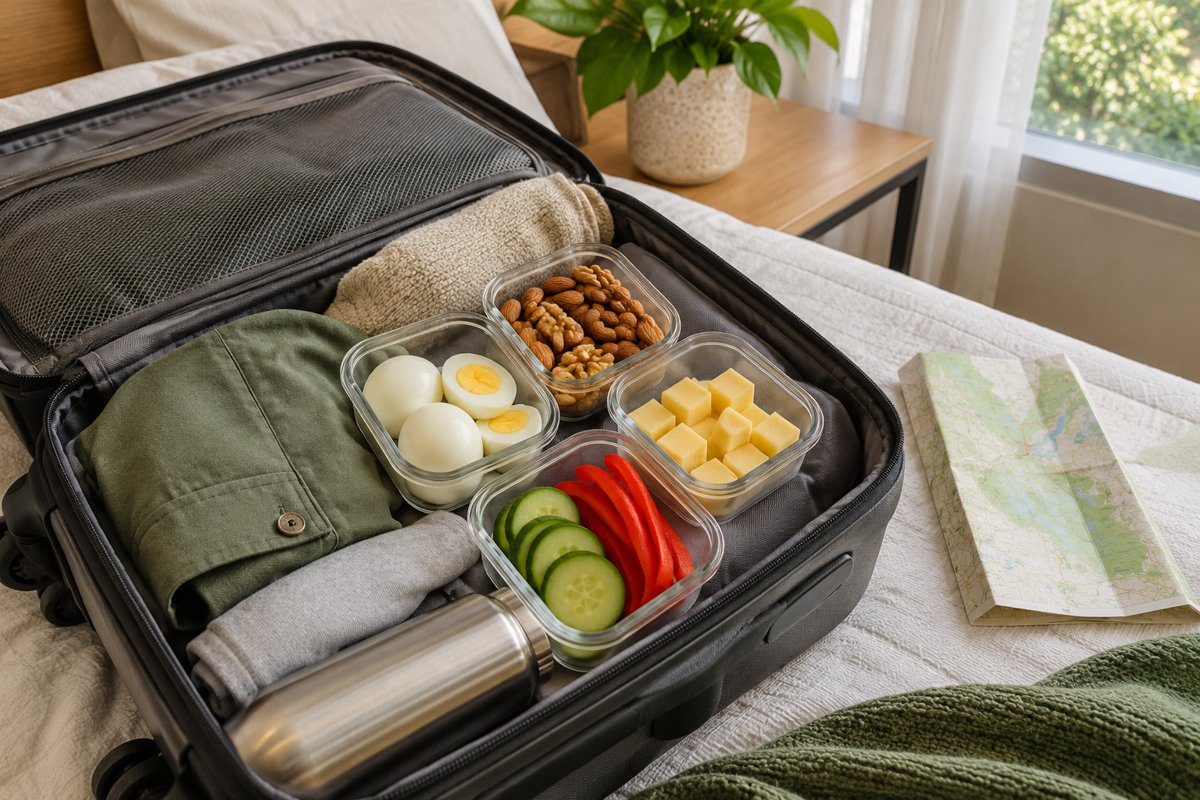
Travel is where many low-carb plans break down. Airports are full of pastries and sandwiches, restaurants control the ingredients, and hotel breakfasts lean heavily on bread. A little preparation makes a big difference. These tips apply whether you are on a short work trip or a longer holiday, and they assume you are already following a plan that your doctor or dietitian is comfortable with.
Decide how strict to be
Before packing, settle on a target. Some people hold to their usual 20 to 50 grams of net carbs a day. Others loosen up on trips and aim simply to avoid obvious sugar and starch. Neither is wrong, and the second is often easier to sustain. If you manage diabetes or take medication, ask your clinician how to adjust for travel, since changes in routine, time zones and activity can all affect blood sugar.
What to pack
Portable foods that need no refrigeration are the backbone of travel eating:
- Almonds, walnuts, pecans and macadamias in small bags
- Individually wrapped hard cheese or cheese crisps
- Jerky or meat sticks, checking the label for added sugar (about 3 g or less per serving is common)
- Olives in snack pouches
- Single-serve nut butter packets
- Canned fish with a pull-tab lid
- Seeds, such as pumpkin or sunflower
- Instant coffee or tea bags
For flights, remember that security rules limit liquids and gels, and that many countries restrict bringing fresh meat, dairy, fruits or vegetables across borders. Check the rules for your destination before you pack. The Transportation Security Administration maintains a searchable list for US flights.
Airports
Terminal food courts are not designed with low-carb diners in mind, but there are usually workable options:
- Coffee shops: black coffee, tea or an americano. Skip flavored syrups.
- Burger counters: order a burger without the bun, or wrapped in lettuce, and swap fries for a side salad.
- Grab-and-go cases: hard-boiled eggs, cheese sticks, nuts and plain Greek yogurt are common.
- Sit-down restaurants: grilled chicken or fish with vegetables is usually available.
- Salad bars: choose protein, greens and olive oil, and watch sauces and dried fruit.
Carry a water bottle and fill it after security. Air travel can leave you dehydrated, and thirst is easy to mistake for hunger.
Restaurants
At a sit-down restaurant, the formula is simple: pick a protein, pick a non-starchy vegetable, and swap the starch.
- Ask for double vegetables in place of potatoes, rice or bread.
- Ask for sauces on the side. Many contain sugar, flour or cornstarch.
- Skip breaded and battered items, since the coating adds carbohydrates.
- Check for hidden sugar in glazes, marinades and dressings, as described in our guide to reading labels.
- Choose oil and vinegar for salad dressing.
- Black coffee or unsweetened tea is a safe finish to a meal in place of dessert.
Cuisines also differ. Steakhouses, grills and seafood restaurants adapt easily. Many Mediterranean and Middle Eastern menus have grilled meats, salads and vegetable dishes. Pasta-focused, noodle-based or rice-based menus take more effort, though sashimi, grilled skewers and stir-fries without sauce can work.
Hotels
Hotel breakfasts often include eggs, bacon, sausage, plain yogurt, cheese and nuts. Fill a plate from those and skip pastries, pancakes, juice and cereal. If you are booking in advance, consider the following:
- A room with a small refrigerator lets you keep eggs, cheese, cold cuts and vegetables.
- A kettle gives you access to tea, broth and instant soup.
- Ask whether a nearby grocery store is walkable. A quick stop for a rotisserie chicken, bagged salad and avocados can cover several meals.
- Many hotels will stock a fridge on request, or supply boiled eggs and fruit alternatives at breakfast if asked.
Travelling with other people
Group meals and family gatherings create their own pressure. A few approaches help: eat a small snack beforehand so you are not ravenous, order first so you are not swayed by others, and keep your explanations short. Nobody needs a full account of your eating plan, and it is perfectly fine to say that you are choosing foods that agree with you.
Alcohol
Beer, sweet cocktails and most wines contain carbohydrates. Dry spirits with soda water carry very little, though alcohol has effects of its own, and on a very low-carb diet some people notice a stronger reaction. If you take medication, check with a doctor about alcohol.
When plans fail
Some days, the only available options will be sandwiches and snacks. Eating them does not erase anything. Return to your usual pattern at the next meal. If you are following a strict plan under medical supervision, ask your provider what to do when you cannot keep to it.
Jet lag, time zones and routine
Long journeys disturb sleep, meal timing and activity, and all three can change appetite. Try to eat at local mealtimes once you arrive, drink water regularly, and walk when you can. Caffeine and alcohol can make sleep worse, which in turn can increase cravings for sugary food the next day. Keep an easy snack nearby for the first morning, so a hungry moment does not lead to the nearest pastry.
Quick checklist
- Snacks packed and checked against airline and border rules
- Water bottle
- Short list of go-to orders
- A plan for breakfast
- Your doctor's advice, if you take medicine that could be affected
For a broader introduction, see the plain-English keto guide. For ideas you can prepare at home before leaving, see the keto breakfast page and the grocery list. This page is for general information and does not replace advice from a doctor or registered dietitian.